

Solo Content Creation Framing: 4 Tips That Work
Table of Contents
- Master Composition and Framing for Solo Content Creation
- Essential Gear for Solo Content Creators
- Composition Tips for Social Media Videos
- Cinematic Framing Techniques for Vertical Video
Last Updated: August 13, 2026
Master Composition and Framing for Solo Content Creation
Solo content creation framing is the practice of positioning yourself, your subject, and your camera strategically to tell a story in a single shot without a camera operator or production crew. It combines visual composition principles with practical solo-creator workflows to maximize production value when working alone.
The challenge most solo creators face is staying in frame while managing camera placement, lighting, and audio simultaneously. A common mistake is treating framing as an afterthought, setting up the camera, pressing record, and hoping the composition works. When you plan your composition first, everything else falls into place more naturally.
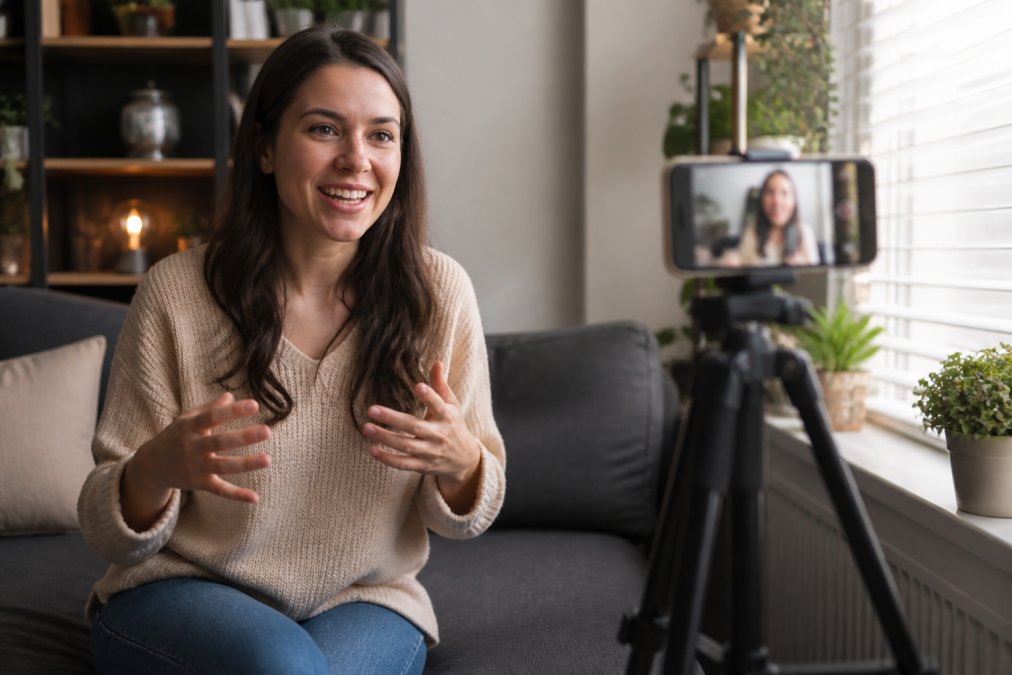
The rule of thirds remains the foundation of strong composition for solo content. Divide your frame into nine equal sections using two horizontal and two vertical lines. Position key elements, your face, hands, or props, along these lines or at their intersections rather than dead center. This creates visual tension and makes your content more engaging to watch.
Essential Gear for Solo Content Creators
Effective solo content creation requires equipment that performs reliably without constant adjustment. Stabilization equipment is the foundation of professional-looking solo content. A phone tripod with 360-degree rotation capability keeps your frame steady while allowing quick repositioning between takes. The Rollei Auto Face Tracking Phone Tripod Stand uses AI tracking to keep you centered in frame automatically, eliminating manual adjustments mid-recording.

For mobile creators, handheld gimbals offer stability with portability. The AOCHUAN Smart M3 Handheld Selfie Stick combines a selfie stick with AI tracking and 360-degree rotation, allowing smooth movement without jittery footage.
For advanced stabilization, 3-axis gimbals provide professional-grade motion control. The AOCHUAN Smart XPro AI Gimbal Stabilizer and Hohem V3 Smartphone Stabilizer both offer appless face tracking, working without software setup.


Composition Tips for Social Media Videos
Social media platforms reward specific composition choices. Vertical video dominates TikTok, Instagram Reels, and YouTube Shorts, with different framing rules than horizontal formats.
For vertical video, keep your subject in the upper two-thirds of the frame, leaving space below for text overlays and captions. Position yourself slightly off-center using the rule of thirds to create visual interest and accommodate on-screen text.
Depth of field draws attention by blurring the background and isolating your subject. Position yourself at least three to four feet from your background to maximize this separation. Asymmetry in composition creates more engaging content than centered framing, position your hands off-center and let your product occupy the other side of the frame.
Clean audio is inseparable from good framing. When investing in Cameras, Lighting & Audio Equipment, prioritize a lavalier microphone or external recorder positioned close to your mouth to ensure clear dialogue that matches your visual hierarchy.
Cinematic Framing Techniques for Vertical Video
Vertical video requires different framing logic than traditional cinematography. The narrow aspect ratio demands tighter composition and more intentional subject placement.
Camera angles matter more in vertical video because the frame is narrower. A slight downward angle (10-15 degrees below eye level) is generally more flattering for solo creators, minimizing unflattering shadows and creating a conversational feel.
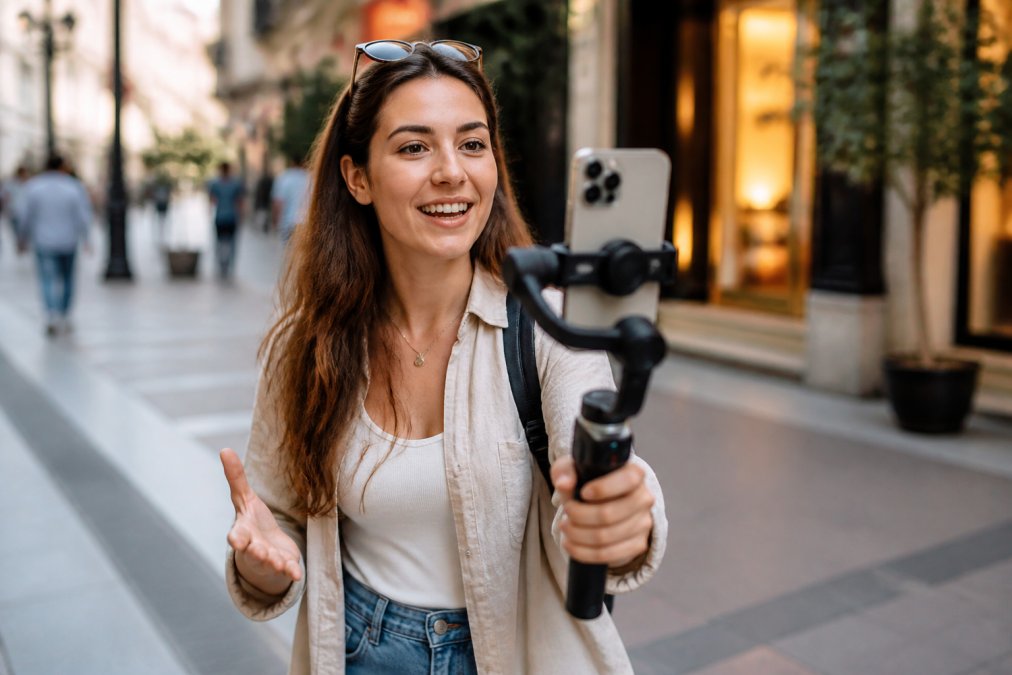
Focal length affects how your subject appears in frame. A wider focal length (24-35mm equivalent) captures more background context for environmental storytelling. A longer focal length (50-85mm equivalent) compresses the background, making your subject appear more isolated from distracting elements.
Shot lists prevent wasted takes and keep your workflow efficient. Plan three to five variations of each scene: a wide establishing shot, a medium shot showing your torso and hands, and a close-up of your face or hands performing a specific action. This variety gives you editing options and prevents monotony.
Batch creation amplifies the value of good framing. When you set up your composition once, film multiple videos in succession before breaking down your gear. This builds consistency across your content library while reducing setup time per video.
Strong solo content creation framing transforms what's possible when working alone. The combination of intentional composition, stabilization equipment, and platform-specific techniques makes professional-quality content achievable without a production team. Perfect Take Gear provides the Content Creator Gear & Equipment and stabilization tools that handle the technical side of framing, letting you focus on storytelling and delivery. Start with a tripod or gimbal that suits your workflow, apply these composition principles consistently, and your production value will improve dramatically.
Frequently Asked Questions
What is the best way to frame a shot when filming solo?
Use the rule of thirds by dividing your frame into nine equal sections and placing your subject at the intersection points rather than dead center. This creates visual interest and better composition. Position your key light 45 degrees from your subject to create depth and dimension. For vertical video, leave headroom above your subject and use negative space intentionally. A tripod with face-tracking technology keeps you centered while you move, maintaining consistent framing throughout your shoot.
What equipment helps solo creators achieve better framing?
AI-tracking tripods and gimbals automatically keep you in frame as you move, eliminating the need for manual adjustments. The Rollei Auto Face Tracking Phone Tripod offers 360-degree rotation for dynamic shots, while handheld options like the AOCHUAN Smart M3 gimbal provide portable, stabilized framing. Pair these with proper lighting to define your subject's position in the frame. A simple reflector or key light positioned at 45 degrees separates you from the background and improves overall composition.
How do I maintain focus and composition when filming alone?
Start with a detailed shot list that defines your camera angles, focal length, and subject placement before filming. Set your camera to autofocus and use manual exposure settings so lighting changes don't shift your shot. Use a tripod or gimbal to lock your composition, then focus on performance. Batch your shots by angle to minimize setup changes. Review your footage after each take to check framing and depth of field. AI-assisted tools help track your movement, but pre-planning your shots prevents composition drift.
Can I improve my solo framing without buying a lot of new gear?
Yes. Start by mastering composition fundamentals: rule of thirds, asymmetry, and subject placement. Use natural lighting from windows and position yourself 45 degrees to that light source. A basic tripod costs far less than professional stabilizers and locks your framing in place. Smartphone gimbals like the Hohem V3 are affordable and handle stabilization automatically. Focus on shot planning and storyboarding before investing in gear. Many solo creators produce professional-looking content by combining solid composition technique with one quality stabilizer tool.
This article was written using GrandRanker