

Is a Dedicated Streaming Camera Worth It?
Table of Contents
- What Makes a Dedicated Streaming Camera Different
- Webcam vs Mirrorless for Twitch: The Real Trade-offs
- How to Set Up a DSLR for Streaming and Capture Cards
- Essential Streaming Gear for Beginners: Beyond the Camera
Last Updated: August 27, 2026
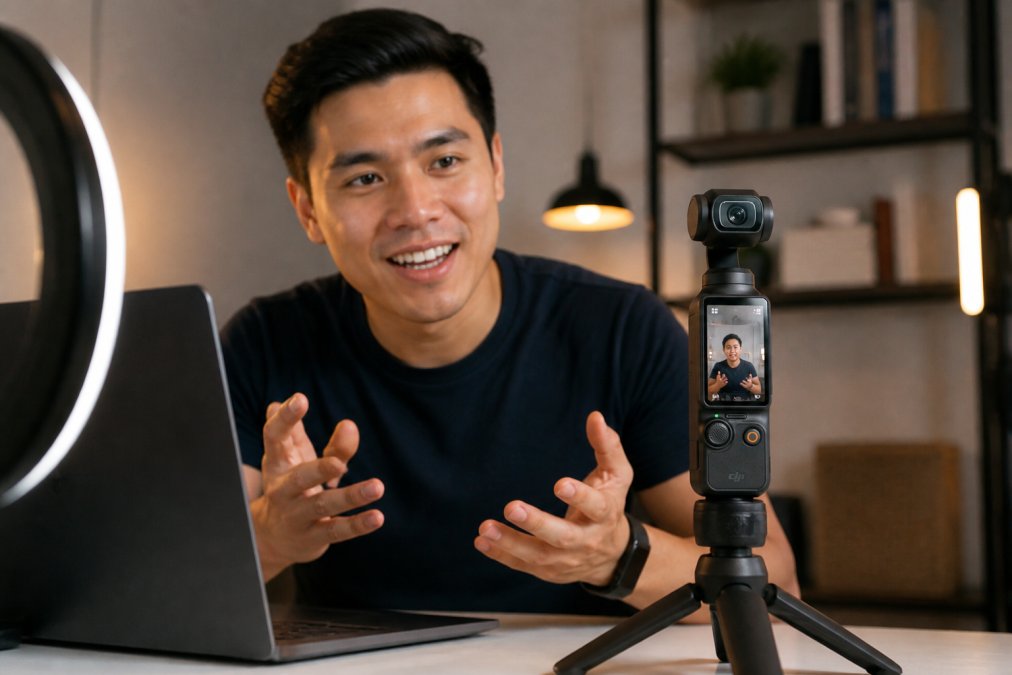
What Makes a Dedicated Streaming Camera Different
A dedicated streaming camera prioritizes image quality, sensor size, and low-light performance in ways consumer webcams cannot match. A larger sensor captures more light, produces better color accuracy, and delivers the visual fidelity that keeps audiences engaged (peer-reviewed research). Crisp, well-lit footage with smooth motion and accurate skin tones translates to longer watch times, the difference between amateur and professional.

Dedicated streaming cameras offer manual control over exposure, white balance, and frame rate. Content creators can adjust these settings in real time to respond to changing lighting or match a specific aesthetic. Autofocus systems track subjects smoothly without hunting, critical when moving during a broadcast.
Most dedicated streaming cameras output clean HDMI video with minimal latency, eliminating the CPU overhead that USB webcams create and leaving more processing power for encoding.
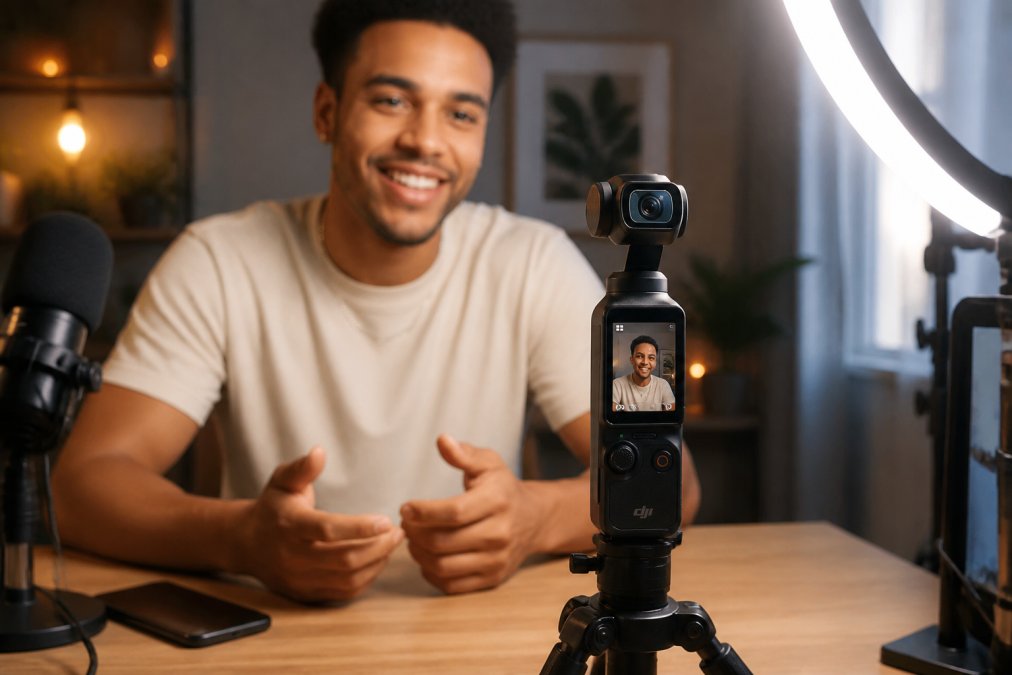
Webcam vs Mirrorless for Twitch: The Real Trade-offs
A webcam is plug-and-play, but simplicity comes with hard limits. Most max out at 1080p and struggle in low light because their sensors are tiny (the CDC). Frame rate is usually fixed at 30fps, and autofocus is slow. For casual streaming this works; for viewer retention, it falls short.
Mirrorless cameras and DSLRs deliver dramatically better image quality. A 1-inch sensor or larger captures significantly more light, producing crisp footage even in dim rooms (peer-reviewed research). Depth of field creates pleasing background blur, frame rates reach 60fps or higher, and manual exposure control lets you dial in the exact look you want. The trade-off is complexity: setup time, external microphones, lighting, and often a capture card.
The real tension is investment versus quality. A beginner sees a webcam as obvious; a content creator whose income depends on engagement sees it as a bottleneck. Audiences subconsciously associate professional-looking video with trustworthiness. A polished stream gets shared more often.
For Twitch, the choice hinges on whether you're treating streaming as a hobby or a business. If you have bandwidth to spare, a mirrorless camera's superior dynamic range and color accuracy will shine through.
How to Set Up a DSLR for Streaming and Capture Cards
Setting up a DSLR or mirrorless camera requires three components: the camera, a capture card, and a stable connection to your computer. The camera outputs video via HDMI to the capture card, which converts that signal into a digital format your streaming software recognizes.
Enable the camera's clean HDMI output to disable on-screen menus and metadata. Set your resolution and frame rate to 1080p at 60fps, sharp without overwhelming upload speed. Autofocus should be set to continuous or tracking mode so the camera follows your face.
Connect an external microphone directly to the camera if it has a 3.5mm input, or route audio through your computer's mixing software. This separation gives you flexibility to adjust audio levels independently.
Use high-quality HDMI and USB cables to minimize signal degradation. A loose connection causes frame drops or complete loss of video during a live stream. Test the full setup before going live.
Essential Streaming Gear for Beginners: Beyond the Camera
A camera alone doesn't make a professional stream. Lighting, audio, and stabilization often determine whether a viewer stays within the first ten seconds.
Lighting is non-negotiable. A simple two-light setup using softboxes or ring lights eliminates shadows and creates even, flattering illumination. Ring lights are affordable and mount directly to a tripod.
Audio quality directly impacts retention. Viewers forgive mediocre video but not mediocre audio. A USB condenser microphone positioned six inches from your mouth captures clear voice without picking up keyboard noise. Avoid relying on your camera's built-in microphone.
Stabilization prevents viewer fatigue. A tripod is the baseline. If you're moving around, a gimbal or mechanical stabilizer keeps footage smooth. Some dedicated streaming cameras include built-in gimbal stabilization.
When building your setup, Cameras, Lighting & Audio Equipment and Content Creator Gear & Equipment can help you find individual components and starter kits designed to produce professional-looking content. Start with what you can afford and upgrade strategically as your audience grows.
A dedicated streaming camera is worth it if viewer engagement matters to your bottom line. Image quality, manual control, and low-light performance create a psychological edge that translates to longer watch times. For hobbyists, a quality webcam is sufficient. For anyone building an audience or monetizing content, the investment pays dividends. Start with affordable options, test what works for your content, and upgrade as your needs evolve.
Frequently Asked Questions
Q: Is a dedicated streaming camera overkill for a beginner?
A: Not necessarily. A dedicated streaming camera offers superior image quality, sensor size, and low-light performance compared to a standard webcam, which can boost viewer engagement from the start. However, beginners on tight budgets can start with a quality webcam or smartphone and upgrade later. The investment makes sense if you're committed to content creation and want professional-grade visuals immediately.
Q: What's the difference between using a webcam vs mirrorless for Twitch?
A: Webcams offer simplicity and plug-and-play convenience with minimal setup, but they lack manual control over exposure, white balance, and depth of field. Mirrorless cameras deliver superior image quality, better low-light performance, and creative control through manual settings, but require a capture card, additional software overhead, and more technical knowledge to configure properly.
Q: Do I need a capture card if I use a dedicated camera for streaming?
A: Yes, in most cases. A capture card converts the clean HDMI output from your dedicated camera into a format your streaming software can recognize. Without it, your computer won't receive the camera feed. Some compact vlogging cameras like the DJI Osmo Pocket series can connect via USB-C directly to your computer, eliminating the need for a capture card and reducing latency.