

Why Content Creators Need a Tripod in 2026
Table of Contents
- Why Tripods Are Non-Negotiable for Content Creators in 2026
- Tripod vs Gimbal for Mobile Creators: Which Do You Need?
- Finding the Best Tripod for Smartphone Content Creation
- Essential Gear for Solo Content Creators: Beyond the Tripod
- Frequently Asked Questions
Last Updated: September 5, 2026
Why Tripods Are Non-Negotiable for Content Creators in 2026
A tripod is the single most important stability tool a content creator can own. This guide from Perfect Take Gear explains why content creators need a tripod in 2026 and how to choose the right one.
Handheld footage introduces micro-movements difficult to stabilize in post-production, and over-cropping to remove shake degrades resolution (ieee.org). A fixed camera position forces intentional shot composition, the professional standard for talking-head videos, interviews, product demos, and tutorials.
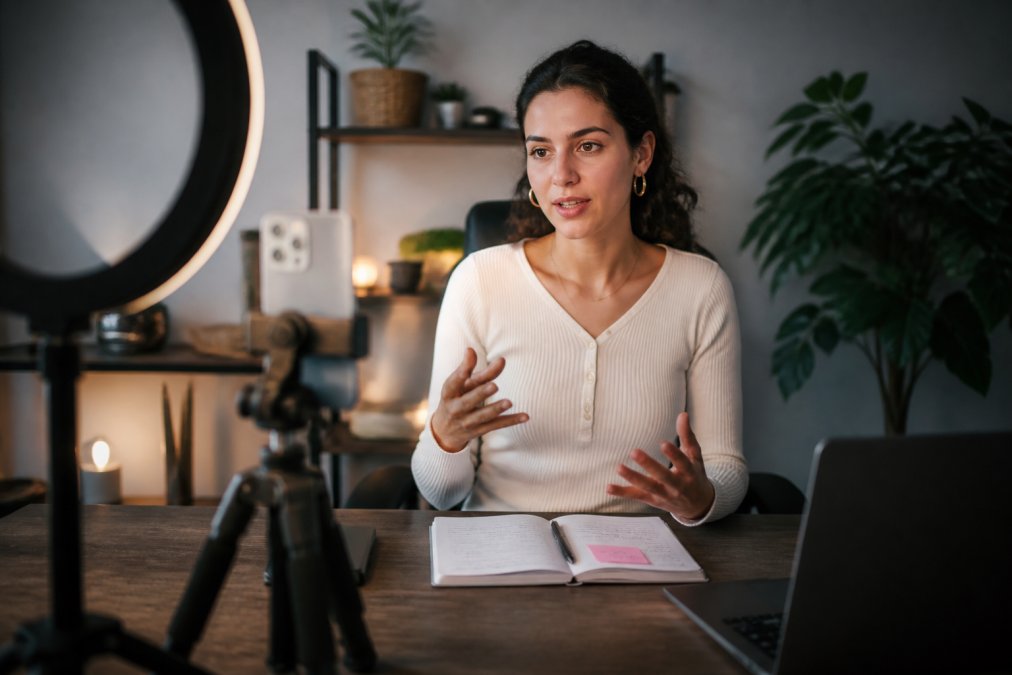
Tripods enable a hands-free workflow solo creators depend on: set up a shot, step into frame, and deliver lines without holding a device.
Tripod vs Gimbal for Mobile Creators: Which Do You Need?
Choose a tripod for stationary framing, such as talking-head videos, tutorials, or desk setups, and a gimbal for smooth movement while walking or tracking a subject. A gimbal counteracts motion in real time; a tripod eliminates motion entirely (edn.com).
For most solo creators, a tripod delivers more value per dollar. Most content formats, vlogs with a fixed camera, product reviews, livestreams, do not require walking shots. A tripod also serves as a lighting stand mount or stable base for secondary angles.

Finding the Best Tripod for Smartphone Content Creation
The best tripod for smartphone content creation balances payload capacity, height range, and a secure phone mount. A common mistake is buying on price alone, only to find the legs are too short or the mount cannot hold your device.
For solo creators, an auto face tracking tripod removes the need to check framing constantly. The Rollei Auto Face Tracking Phone Tripod tracks your movements, includes gesture controls, and extends from 38cm to 163cm. At $55.99, it solves staying in frame and maintaining eye contact with the lens.

For multi-device setups, an 18-inch ring light kit with a 1.86m tripod provides stable positioning plus professional lighting. RGB modes and three adjustable phone holders support multi-angle recording.
| Tripod Type | Best For | Key Feature | Price |
|---|---|---|---|
| Auto Face Tracking Tripod | Solo creators, livestreams | AI tracking, gesture control | $55.99 |
| Ring Light Kit with Tripod | Beauty, tutorials, teaching | RGB lighting, multi-phone mounts | $62.99 |
| Compact Ring Light Tripod | Vlogging, travel, selfies | 360-degree head, dual use | $63.99 |
| 3-Way Vlogging Tripod | Action cameras, mirrorless | CapLock quick release, 5 modes | $67.99 |
The PGYTECH MantisPod Z suits action cameras or mirrorless bodies up to 1kg. Its 3-way design converts between tripod, hand grip, and overhead mount for unboxing videos. The patented CapLock system allows instant mounting and dismounting, speeding up workflow.
Essential Gear for Solo Content Creators: Beyond the Tripod
A tripod is the foundation, but essential gear extends to lighting, audio, and storage solutions. The tripod serves as the anchor for a complete mobile studio: attach a ring light to the center column for key lighting, and position a secondary tripod for a B-roll angle.
Lighting is the fastest way to improve video quality. A ring light with adjustable color temperature and brightness compensates for poor ambient conditions. Audio matters equally; a dedicated microphone mounted on a tripod arm prevents the hollow sound of built-in mics.
For creators moving between locations, weight and setup speed are critical. A travel-friendly tripod that collapses compactly encourages consistent use; a heavy professional tripod often stays at home.
Ergonomics matter for long-term health. A tripod set to eye level prevents neck and back strain from hunching over a phone.
Proper tripod maintenance extends its lifespan considerably. Wipe down the legs after outdoor shoots to remove dirt and sand, and periodically tighten the screws on the ball head and leg locks. A well-maintained tripod lasts for years, making it one of the highest-return investments in a creator's gear bag. When you are ready to upgrade your setup, explore the content creator gear and equipment guides to find tripods, lighting, and audio solutions that fit your specific workflow.
A quality tripod solves stability, framing, and workflow challenges in one purchase. Perfect Take Gear offers tripods, ring lights, and creator kits for solo creators at every level. Search Perfect Take Gear to find gear that helps you capture your perfect take.
Frequently Asked Questions
Do influencers actually use tripods for their content?
Yes, tripods are a staple for influencers and solo creators. They provide the stability needed for sharp, professional-looking photos and videos, which is essential for building a personal brand. A tripod also enables hands-free recording, so you can demonstrate products, talk to the camera naturally, or film your daily routine without needing a camera operator. This consistency and quality are key to growing an engaged audience on platforms like TikTok and Instagram.
What is the difference between a tripod and a gimbal for a smartphone?
A tripod holds your phone perfectly still, which is ideal for talking-head videos, tutorials, and product shots where stable framing is key. A gimbal is a motorized stabilizer that keeps your phone level while you walk or move during a shot. If you film mostly static scenes at a desk, a tripod is the essential tool. If you shoot a lot of run-and-gun vlogs or action sequences, a gimbal is a better investment for that specific need.
What features should I look for in a tripod for smartphone content?
Look for a sturdy build with a reliable phone mount that securely grips your device. A quick-release plate speeds up setup between shots. Consider the maximum height and whether it suits your shooting style, from desk setups to full-length standing shots. Features like a 360-degree rotating head for panning and tilt controls are useful for framing. If you film solo, look for versatile options like a tripod with a built-in remote or AI face tracking to keep you centered.