

Affordable vs Expensive Streaming Gear: What Actually Matters
Table of Contents
- Affordable vs Expensive Streaming Gear: Where the Real Difference Lies
- Essential Streaming Gear for Beginners: The Foundation You Actually Need
- Streaming Setup Cost Breakdown: Budget-Friendly vs Premium Options
- Is Expensive Lighting Worth It for Streamers
- The Role of Content Quality vs Hardware Investment
- When to Upgrade: Growth Milestones That Justify Spending More
- Avoiding Common Mistakes: Gear Entitlement and Wasted Investment
- Conclusion
Last Updated: August 9, 2026
Affordable vs Expensive Streaming Gear: Where the Real Difference Lies
The gap between a $100 streaming setup and a $1,000 one isn't just about price tags, it's about where your bottleneck actually sits. Many aspiring streamers sink money into expensive gear when their real problem is something else entirely. At Perfect Take Gear, we've watched creators make this mistake repeatedly: they buy premium lighting before solving their audio, or invest in a professional camera when their internet can't handle the bitrate.
Affordable and expensive streaming gear often deliver similar baseline results for the first 6-12 months. The difference emerges once your audience grows and you start competing for attention in crowded categories. By then, you'll have real data on viewer retention, chat engagement, and production quality feedback to guide your investments.
This guide breaks down where spending matters and where it doesn't, using real product examples and honest trade-offs. You'll learn the actual milestones that justify upgrading and why content quality beats hardware investment at every stage until you hit a specific growth threshold.
Essential Streaming Gear for Beginners: The Foundation You Actually Need
Starting a stream requires far less than most creators think. The foundation is about eliminating obvious technical failures that kill viewer retention: poor audio, laggy video, and bad lighting.
Camera and Capture Quality
Your camera choice determines frame rate, resolution, and whether your video feels professional or amateurish.
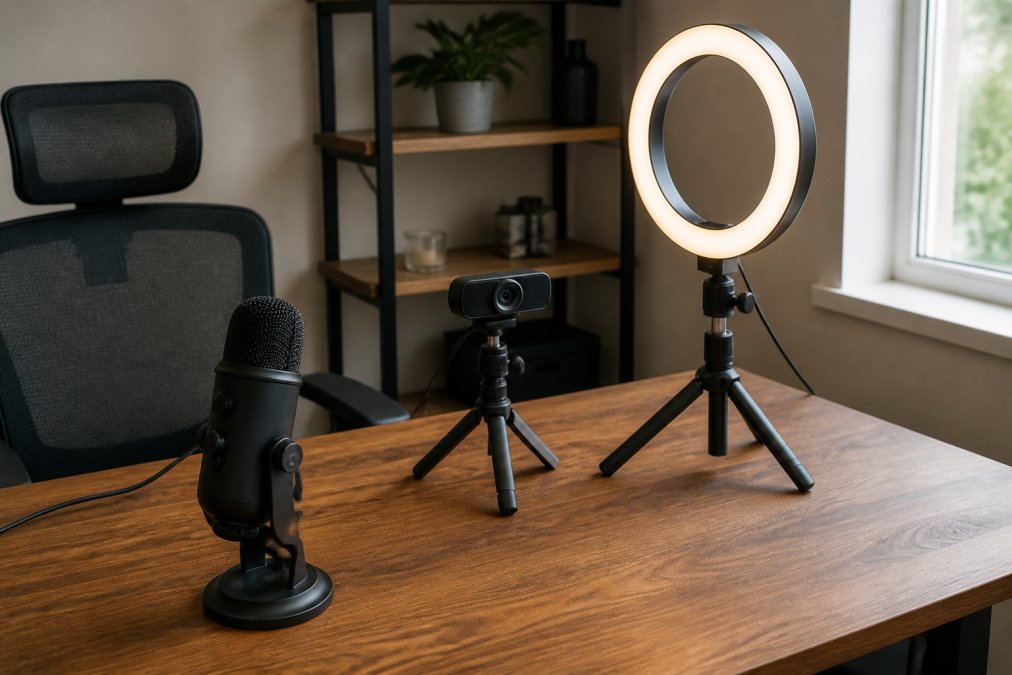
A webcam like the Logitech C920s Pro HD delivers 1080p at 30fps for under $60. The automatic light correction helps in imperfect setups, and plug-and-play setup means you're live in minutes. The trade-off: 30fps feels slightly stuttery compared to 60fps, and image quality degrades quickly in poor lighting.
A mirrorless camera like the Sony Alpha a6100 shoots 4K with exceptional autofocus and low-light performance at around $721 for the body alone, plus capture card, lenses, and mounting hardware. The payoff is noticeably sharper video and better color grading options. But these advantages only show up once your lighting and audio are already solid.
(https://perfect-take-gear.myshopify.com/blogs/news/simple-gear-for-solo-streamers-a-2026-starter-guide): The Foundation You Actually Need]
Real decision: Start with a webcam, nail your lighting and audio, then upgrade to a mirrorless camera once you're consistently hitting your target viewer count.
Audio Interface vs USB Microphones
Audio quality determines whether people stay or leave. Bad audio makes even beautiful video unwatchable.
A USB microphone like the Blue Yeti costs $82-130, connects directly to your computer, and requires zero additional hardware. Sound quality is broadcast-grade for the price. The limitation: USB microphones pick up background noise if your room isn't treated, and they lack the gain staging control of professional setups.
A dedicated audio interface like the Rode NT-USB+ at $169 includes a Revolution Preamp and DSP processing that cleans up your vocal automatically. You get lower noise, better gain control, and the ability to add external processing.
Insider observation: Most streamers with USB microphones sound perfectly professional. The jump to an interface matters only when dealing with challenging room acoustics or needing precise vocal chain control. If your room is quiet and microphone placement is good, the Blue Yeti covers 90% of what you need.
Lighting Setups for Beginners
Poor lighting makes you look tired, washes out your skin tone, and creates harsh shadows that distract viewers.
A basic ring light costs $20-50 and provides even, diffused light from directly in front of your camera. The problem: ring lights are flat and don't create dimension.
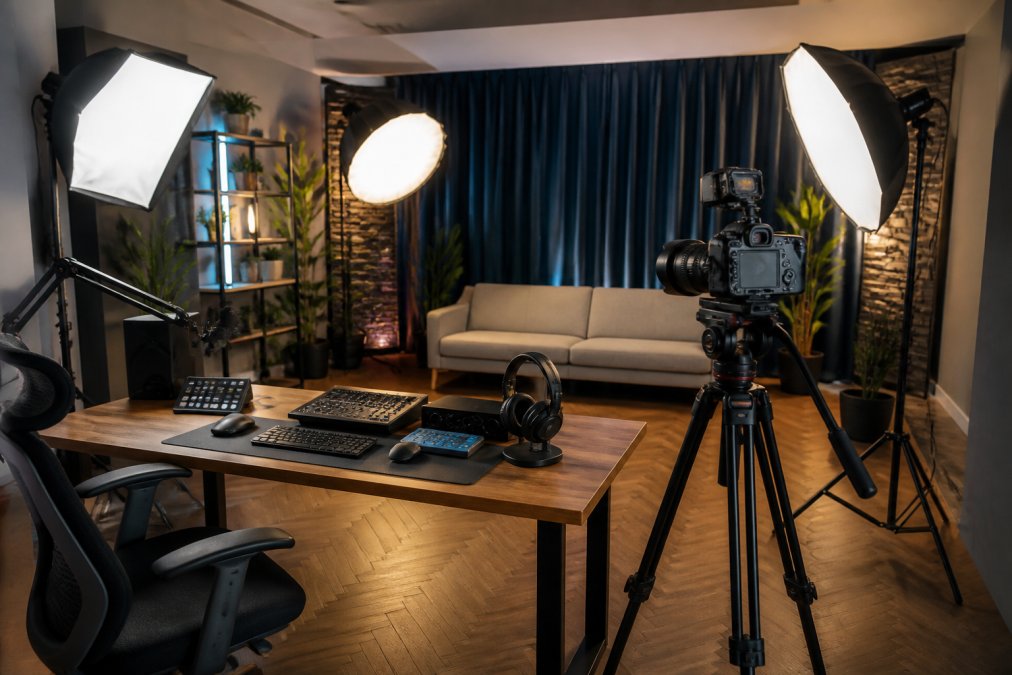
Budget softbox systems ($100-300) give you control over key light, fill light, and background light. You can shape your lighting, create depth, and adjust color temperature. This is where production value visibly jumps.
The trade-off: softbox systems need space, require learning basic three-point lighting, and take longer to set up. For a bedroom stream, a ring light is faster. For a dedicated streaming space, softboxes pay dividends immediately.
Streaming Setup Cost Breakdown: Budget-Friendly vs Premium Options
Understanding the three tiers helps you choose the right starting point.
Entry-Level Setup Path
An entry-level setup covers the absolute minimum to stream with acceptable production quality: a webcam, USB microphone, and basic lighting, totaling under $250.
The Logitech C920s Pro ($60), Blue Yeti ($82-130), and basic ring light ($30-50) get you live with solid production value. Add a microphone stand and boom arm ($20-30), and you're ready to stream.
This setup works for gaming, talk shows, and educational content. The real advantage: you can test whether streaming is actually for you before committing serious money.
Mid-Range Prosumer Setup
A mid-range setup costs $800-1,500 and includes a mirrorless camera, dedicated audio interface, softbox lighting, and better mounting hardware.
The Sony Alpha a6100 ($721) gives exceptional autofocus and low-light performance. A dedicated audio interface like the Rode NT-USB+ ($169) adds professional processing. A softbox kit ($150-300) gives lighting control. Your production value is noticeably higher, and you can handle variable lighting conditions.
The trade-off: complexity increases. Setup time jumps from 5 minutes to 30 minutes, but your production quality justifies it.
Professional-Grade Setup
Professional setups exceed $2,000 and include broadcast-quality cameras, multi-channel audio systems, advanced lighting rigs, and dedicated streaming computers.
This tier is for creators with established audiences (10,000+ concurrent viewers) or businesses using streaming for critical functions. The investment is justified by the revenue or business value generated.
Is Expensive Lighting Worth It for Streamers
This is where most streamers waste money. Expensive lighting systems promise professional results, but ROI depends entirely on your room and content type.
Budget Lighting vs Premium Softbox Systems
A $30 ring light solves the most common problem: harsh shadows and uneven illumination.
A premium softbox system ($300-800) gives you control over light direction, intensity, color temperature, and diffusion. The difference in final image quality is visible.
What matters: If your room has windows or existing ambient light, softboxes are overkill. If you're streaming from a bedroom with one light source, softboxes transform your appearance. Master positioning first with cheap lights, then upgrade.
Acoustic Treatment ROI
Acoustic treatment is invisible but critical. A treated room with a cheap microphone sounds better than an untreated room with an expensive one.
Basic acoustic treatment, foam panels, bass traps, curtains, costs $100-300 and noticeably reduces room noise and echo. Expensive acoustic treatment ($1,000+) is worth it only for genuinely difficult rooms or professional operations.
Insider tip: Before buying acoustic panels, try hanging heavy curtains and moving your microphone closer to your mouth. Microphone placement often matters more than expensive treatment.
The Role of Content Quality vs Hardware Investment
Content quality beats hardware investment until a specific threshold. A stream with poor content but excellent production value will lose viewers. A stream with great content but rough production will gain them.
For the first 10,000 hours of streaming (roughly 2-3 years for a part-time creator), content quality is the dominant factor. Your personality, the value you provide, your consistency, and your engagement with chat matter infinitely more than whether you're streaming at 1080p or 4K.
The trap: Spending money on expensive gear to compensate for weak content doesn't work. A $2,000 lighting rig won't make boring content interesting. But once your content is solid and your audience is growing, that lighting rig will help you retain viewers and attract new ones.
When to Upgrade: Growth Milestones That Justify Spending More
Upgrades should be driven by specific growth metrics, not arbitrary timelines or gear envy.
Upgrade your camera when your current one drops frames during peak viewer counts or when you're consistently hitting 1,000+ concurrent viewers.
Upgrade your microphone when you're receiving consistent feedback about audio quality or dealing with acoustic challenges your current setup can't handle.
Upgrade your lighting when dealing with variable lighting conditions or when viewers comment on your appearance or video quality.
Upgrade your entire setup only when you've hit a growth plateau that you suspect is caused by production quality, not content quality.
Used and Refurbished Market Strategy
New gear is expensive. Used and refurbished equipment is often overlooked by creators who assume "used" means "broken."
A refurbished mirrorless camera from a reputable seller is often 30-40% cheaper than new and comes with the same warranty. Used lighting equipment, audio interfaces, and microphones are even safer bets, these mechanical devices have no moving parts.
Strategy: Buy new only for items you'll use 5+ years (like a primary camera). Buy refurbished for items you might replace in 2-3 years (like lighting). Buy used for items you're experimenting with. This approach lets you upgrade more frequently without heavy financial commitment.
Avoiding Common Mistakes: Gear Entitlement and Wasted Investment
Gear entitlement is the belief that expensive equipment will make you a better creator. It won't. But it's seductive because buying gear is easier than improving your content.
The first mistake: Spending $1,000 on gear before you've streamed 100 hours. You don't yet know your actual bottlenecks. You're guessing, and most guesses are wrong.
The second mistake: Buying gear that doesn't match your workflow. A professional capture card is worthless if you're streaming from a laptop. A four-channel audio mixer is overkill if you're the only person on stream.
The third mistake: Not testing gear before committing. Borrow equipment, rent it, or buy from places with generous return policies.
The fourth mistake: Treating gear as a substitute for learning. You can't buy your way into good lighting, audio, or framing. You have to learn these skills. Expensive gear makes it slightly easier, but it can't replace the learning process.
Perfect Take Gear's approach addresses this directly: curated starter kits designed for new creators help you avoid unnecessary purchases, while the wide range of specialized equipment lets you upgrade strategically as your needs evolve. The professional-grade studio modifiers and lighting options support growth without forcing you into expensive all-in-one systems.
Frequently Asked Questions
What is the best affordable streaming device to start with?
A budget-friendly USB webcam like the Logitech C920s paired with a basic condenser microphone covers the essentials. The C920s delivers 1080p at 30fps with automatic light correction, making it reliable for beginners. Pair it with a simple USB microphone instead of relying on built-in audio. This combination costs significantly less than a mirrorless camera setup but produces watchable content. As your audience grows and concurrent viewers increase, you can upgrade to a capture card and dedicated camera.
Is expensive lighting worth it for streamers starting out?
Not immediately. A single affordable key light with a softbox produces acceptable results for most beginner streams. Expensive three-point lighting systems become worthwhile once you're streaming regularly and viewer retention depends on production value. Start with one quality light source, ensure it's positioned correctly, and add acoustic treatment or a second light only after you've verified your content resonates with viewers. Many successful streamers operate with minimal lighting investment.
How much does a decent streaming setup cost in 2026?
Entry-level setups run $200-$400 with a webcam, USB microphone, and basic lighting. Mid-range prosumer setups ($800-$1,500) add an audio interface and better microphone. Professional-grade setups with mirrorless cameras, capture cards, and multi-light systems exceed $2,000. Pricing depends on whether you need a capture card, how many peripherals you add, and if you already own some equipment. Visit Perfect Take Gear's website for current pricing on curated bundles that bundle complementary gear at better value.
Can I mix budget gear with expensive equipment, or does everything need to match?
Mixing brands and price points works fine. An affordable webcam pairs well with a professional-grade microphone, or budget lighting can work alongside an expensive camera. The key is identifying which components directly affect your specific output: audio fidelity matters most for podcasters, frame rate matters for gamers, and lighting affects visual production value for all creators. Invest heavily in the gear that impacts your content type most, then use budget options elsewhere.
Does expensive gear actually help small streamers get more viewers?
Expensive gear alone doesn't grow your audience, but better audio and video quality reduce friction for viewers. Concurrent viewers are more likely to stay if your stream has clear audio, consistent frame rate, and proper lighting. However, content quality and consistency matter far more than hardware investment. Many streamers with modest setups outperform those with expensive gear because they focus on engaging content first. Upgrade your gear when you've proven your content resonates, not before.
The real answer to "affordable vs expensive streaming gear" is this: start cheap, measure what actually holds you back, and upgrade only the bottleneck. Most creators' first bottleneck is content quality or consistency, not hardware. Once you've solved that, your second bottleneck is usually audio or lighting, not your camera. By the time you need expensive gear, you'll know exactly what you need and why. That's when the investment pays off.
This article was written using GrandRanker